

Aerospace

Agriculture & Biosystems

Biomedical

Chemical

Civil

Computer Science

Electrical
Environmental

Industrial

Manufacturing

Materials Science

Mechanical

Mining & Metallurgical

Nuclear

Petroleum

Project Management

Surveying
Discover Chemical Engineering

Imagine taking what you’ve learned in chemistry class and using it to create products that improve the lives of others in both large and small ways. That’s what a chemical engineer does: uses chemical processes to find innovative and creative ways of producing goods. The work of a chemical engineer can range from the luxurious (developing softer clothes and better cosmetics) to the lifesaving (producing fire-resistant materials and safer foods). As a chemical engineer, you might be involved in cutting-edge research at a pharmaceutical company, discovering how to extend the shelf life of antibiotics, or you might be part of a creative team at a food manufacturing company, dreaming up a delicious new candy bar.
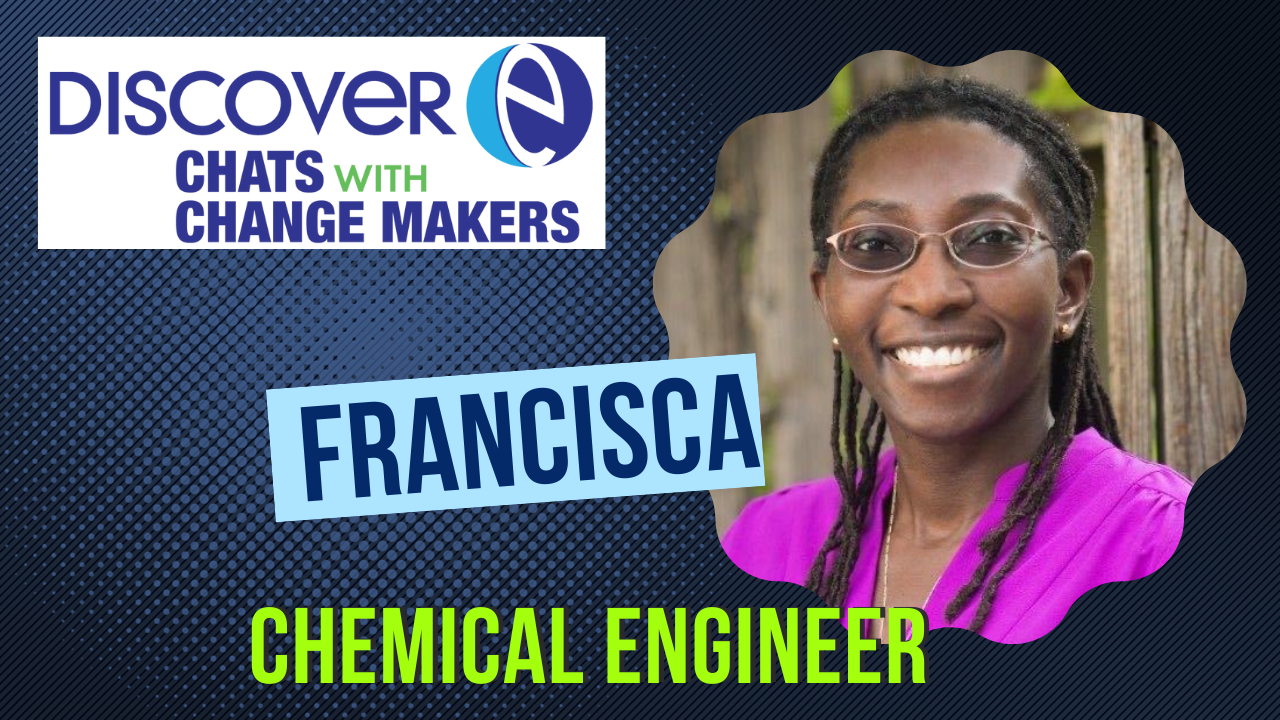
Meet Francisca, a chemical engineer at Shell who uses her engineering and project management skills to design and build infrastructure on offshore platforms in the Gulf of Mexico!
Chemical Engineering Career Overview

$121,860
Median salary

21,600
Number of jobs in 2024

3%
Expected job growth in next ten years
Chemical Engineering Jobs and Education
Bachelor’s degree:
- Create plant based foods that taste great, look good, and are appealing to consumers.
- Design environmentally-friendly cleaning products.
- Turn seawater into drinking water.
- Develop ways of mass producing vaccines to ward off epidemics.
- Reduce pollution by developing cleaner sources of energy.
Associate degree:
- Evaluate a new food additive to find out if it improves the texture of a breakfast cereal.
- Be part of a research team investigating ways to eliminate waste in the production process.
Real World Chemical Engineering Projects
Taking the lead out of water
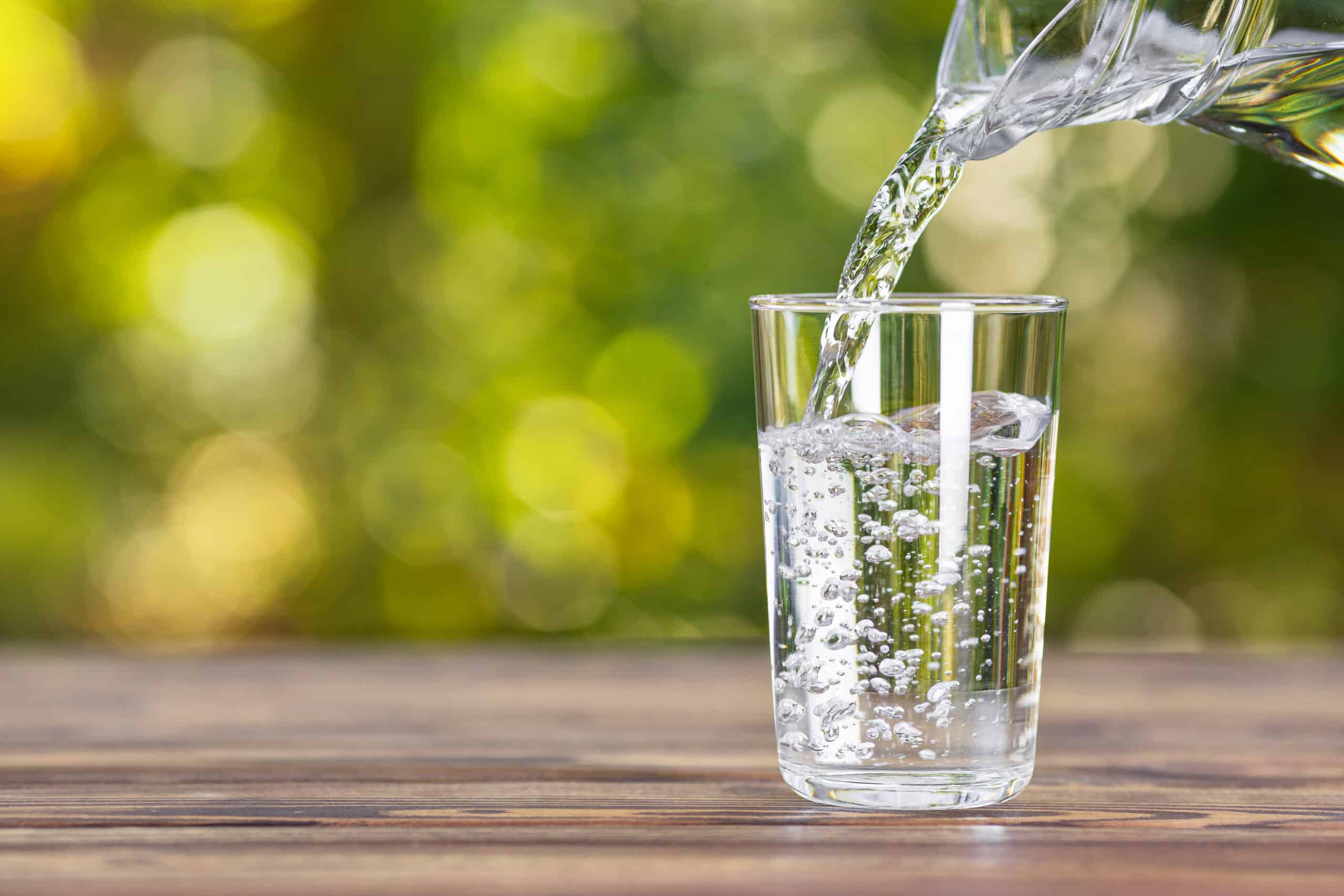
Lead in drinking water is a big health problem. Imagine being able to treat it right at home in that’s both energy efficient and low-cost? Some engineers at MIT are working on that very problem. Part of the problem they are solving is keeping the good stuff we want in our water, like sodium and magnesium, while removing the bad like lead. This new approach is called shock electrodialysis. It’s still a ways off, but the early results are promising.






References:
1. US Bureau of Labor Statistics
https://www.bls.gov/ooh/architecture-and-engineering/chemical-engineers.htm