
How Future City Brings Students’ Diverse Strengths Together
What makes Future City such a meaningful experience for students? For Jason O’Roark, it’s the opportunity for students with different talents and interests to come together, contribute their strengths, and create something they could not accomplish on their own. A longtime math and science teacher and gifted education leader near Pittsburgh, Jason has led numerous STEM opportunities throughout his career. Here, he shares why Future City stands out among them.
“Future City allowed me to provide enrichment that was appropriate for students with diverse strengths. It enables students who are scientific, researchers, problem solvers, engineers, writers, and artists to come together and create something that embodies all of their abilities.”
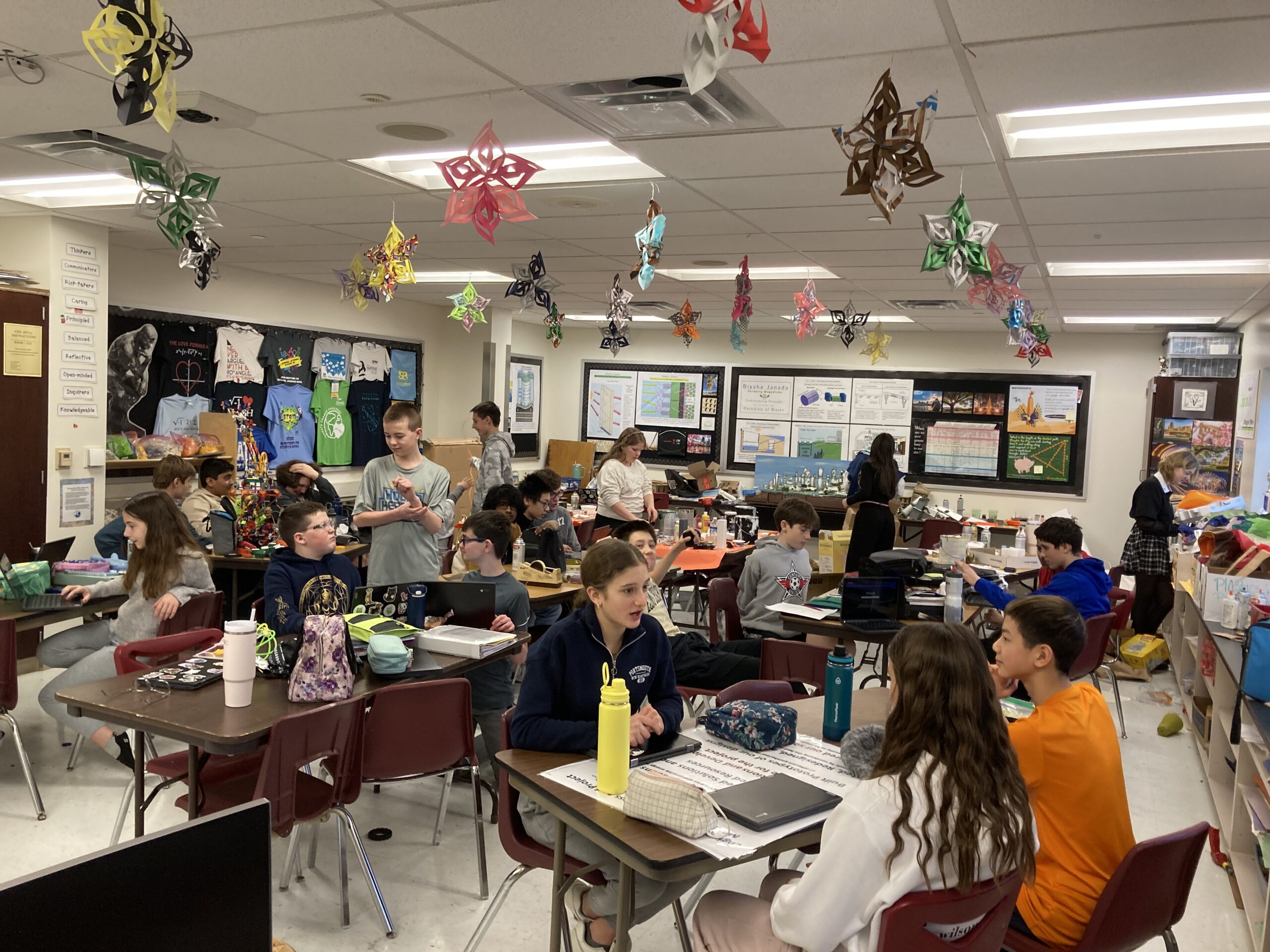
I don’t know of any other opportunities that are like Future City. It will take over your classroom, but in a good way. Students love to imagine and create the future. Future City taps into that while grounding them as they try to build on current cutting-edge research.
The students do high-end scientific research to develop ideas for where their city will be, how they will address the main prompt for that year, and how they will address all of the other city systems in smaller teams. Then they come together to discuss, debate, negotiate, and vote on those ideas as the city starts to come into existence.
Next, it’s time to write. We have a writing day with pizza and music where we put all our ideas together in a rough draft that is generally four times longer than the competition allows.
Once our rough draft is finished, our artists and engineers start to build our model based on the draft, while our best writers and researchers edit the essay. This time is busy and messy, but the room is alive. Students are calculating scale factors, designing, cutting, gluing, painting the model, and creating posters, while others try to figure out how we can get the essay under 1,500 words and still have all of our most important concepts.
The last step is writing our seven-minute presentation. The presentations are fun. We laugh as we write funny lines in the script, rehearse, and plan how we will share our city with professional engineers at the competition.
Having a large group of students create one project is challenging, but it’s a good challenge. It forces the students to collaborate, negotiate, and rely on each other’s strengths. It helps them learn to work as a team and allows them to see how much more they can accomplish when they do so.
No one comes out of the experience thinking it would have been better if they had just done it themselves. Instead, the feeling is one of appreciation, as they know they couldn’t have done it without everyone’s help.
The takeaways for students vary. Some will come away with advanced scientific knowledge in certain areas. Some will grow into better writers. Some will become better designers and engineers. Some will gain confidence in presenting scientific concepts in front of a group of people.
However, all of them will grow as a team and learn the value of working together in a group of people with diverse talents.
About Jason O’Roark
Jason O’Roark lives near 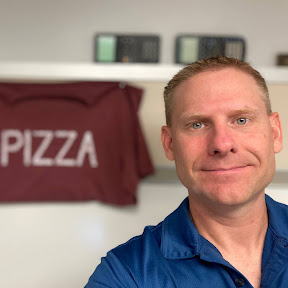 Pittsburgh where he has taught math and science and run the gifted department for students in grades 6-12 throughout his career. Through his role in the gifted department, he has led many STEM opportunities for students, but none more significant than Future City.